Astro-animation
Gesture, Metaphor, and Creative Practice in Astronomy Communication
A practice-based PhD project by Laurence Arcadias
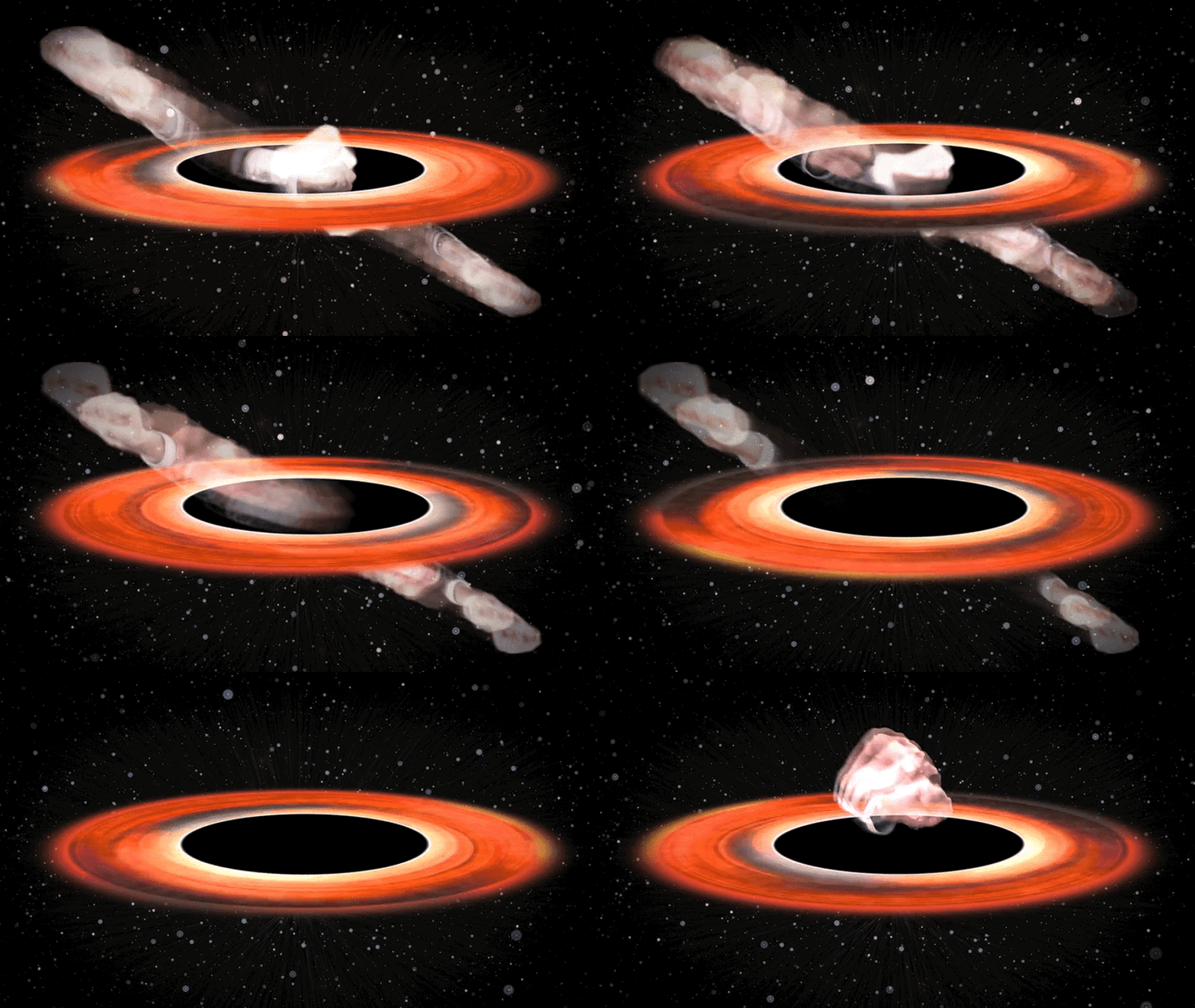
Astro-animation is a practice-based approach to astronomy communication that brings together animation, gesture, metaphor, and participatory workshop practice.Through films, collaborations with NASA scientists, and public-facing workshops, the project explores how animation can make complex astrophysical ideas more accessible and engaging for participants and wider audiences.
FILMS
The Movements of the Universe
This film forms a central part of my practice-based PhD, exploring how gesture, metaphor, and animation can shape new ways of interpreting and communicating astrophysical phenomena.
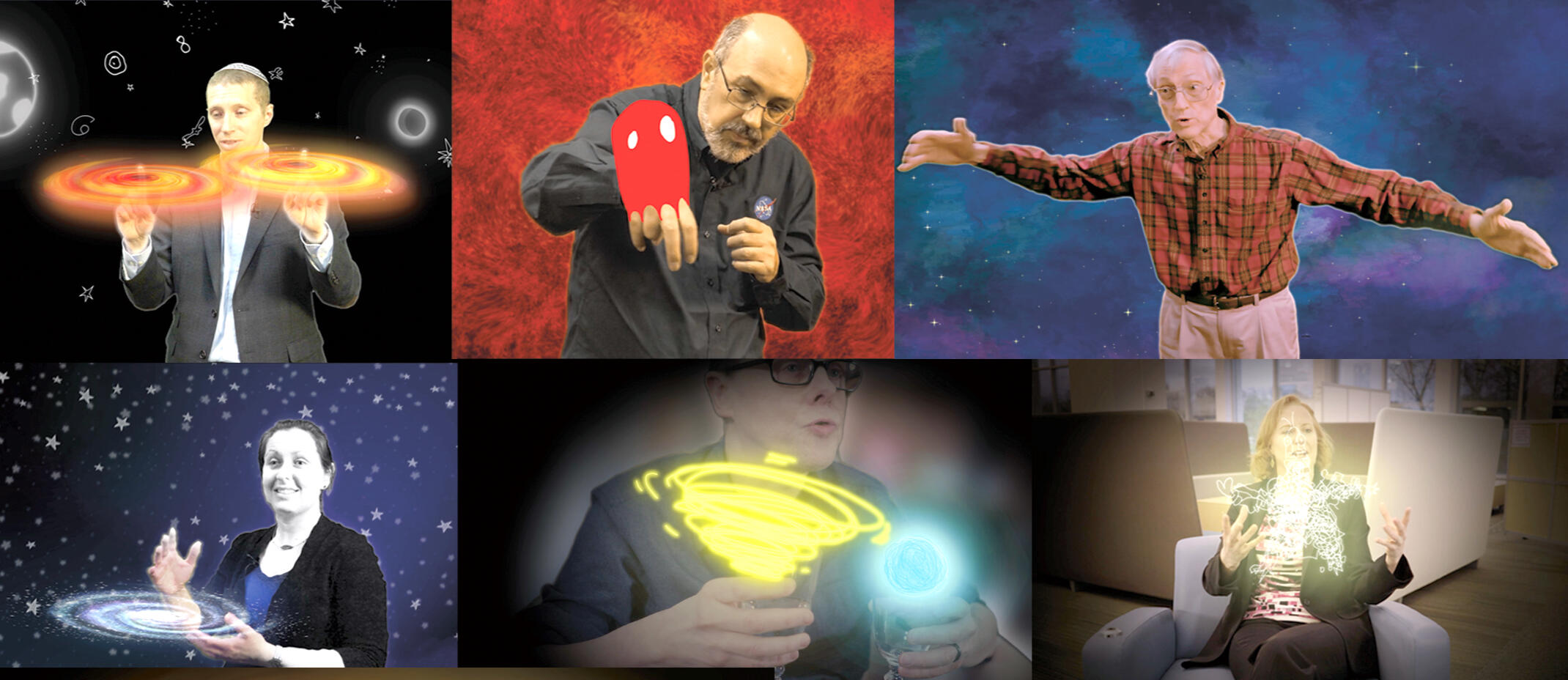
It shows how scientists use gesture and movement to make the the invisible universe visible.
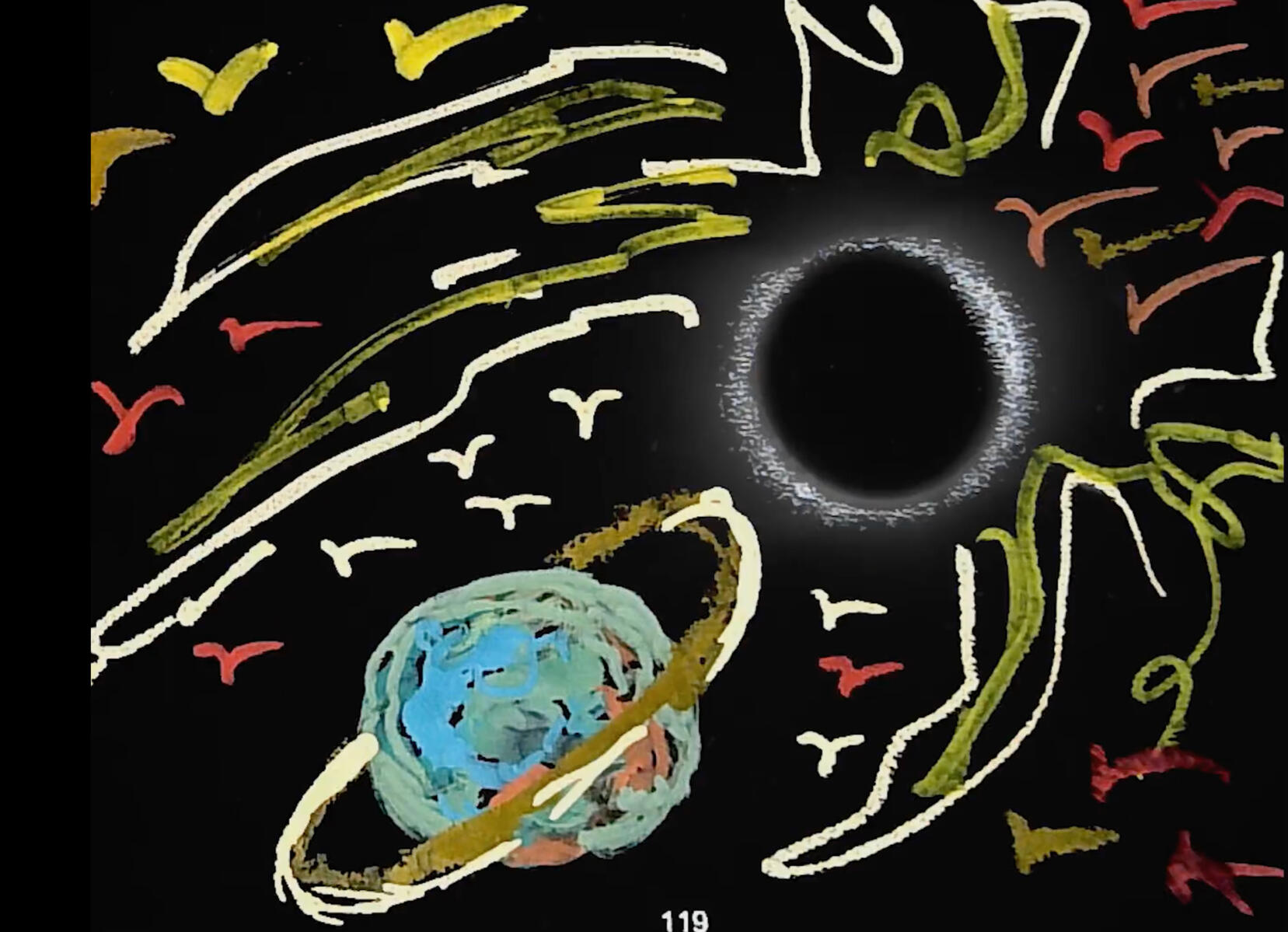
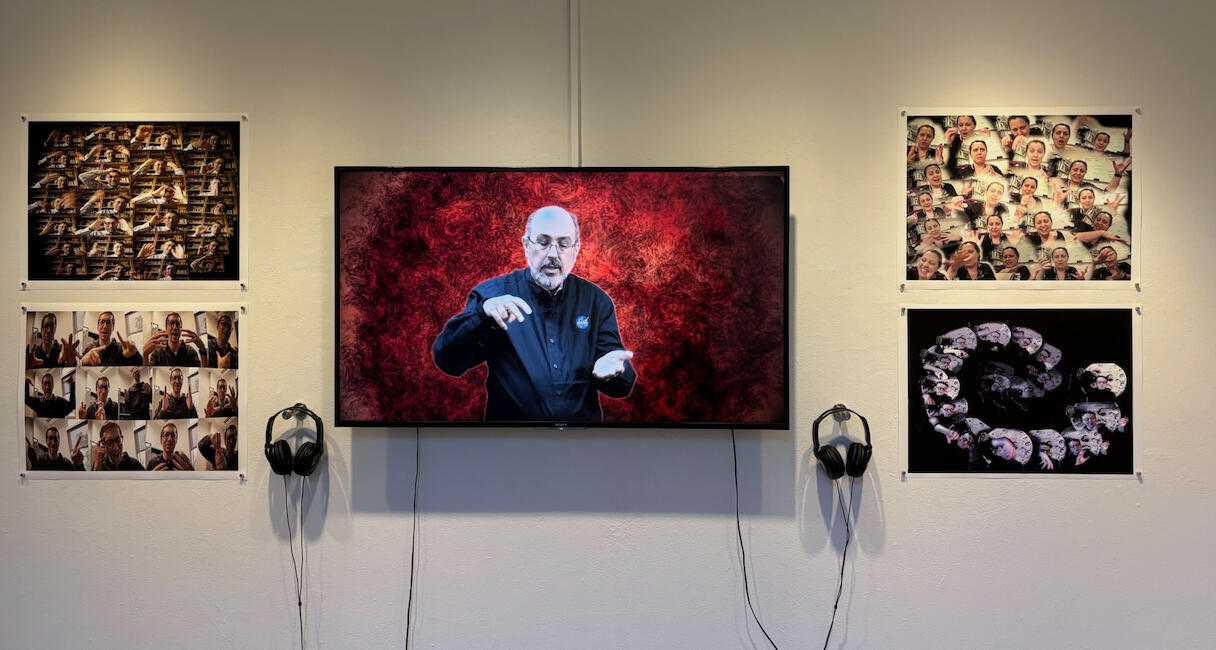
The Movements of the Universe explores how scientists use their hands, gestures, and imagination to describe phenomena that cannot be seen directly. Created in collaboration with NASA astrophysicists, the film transforms scientific explanations into motion and animation.
Supported by the Saul Zaentz Innovation Fund 2018.
WORKSHOPS
Astro-animation Workshops
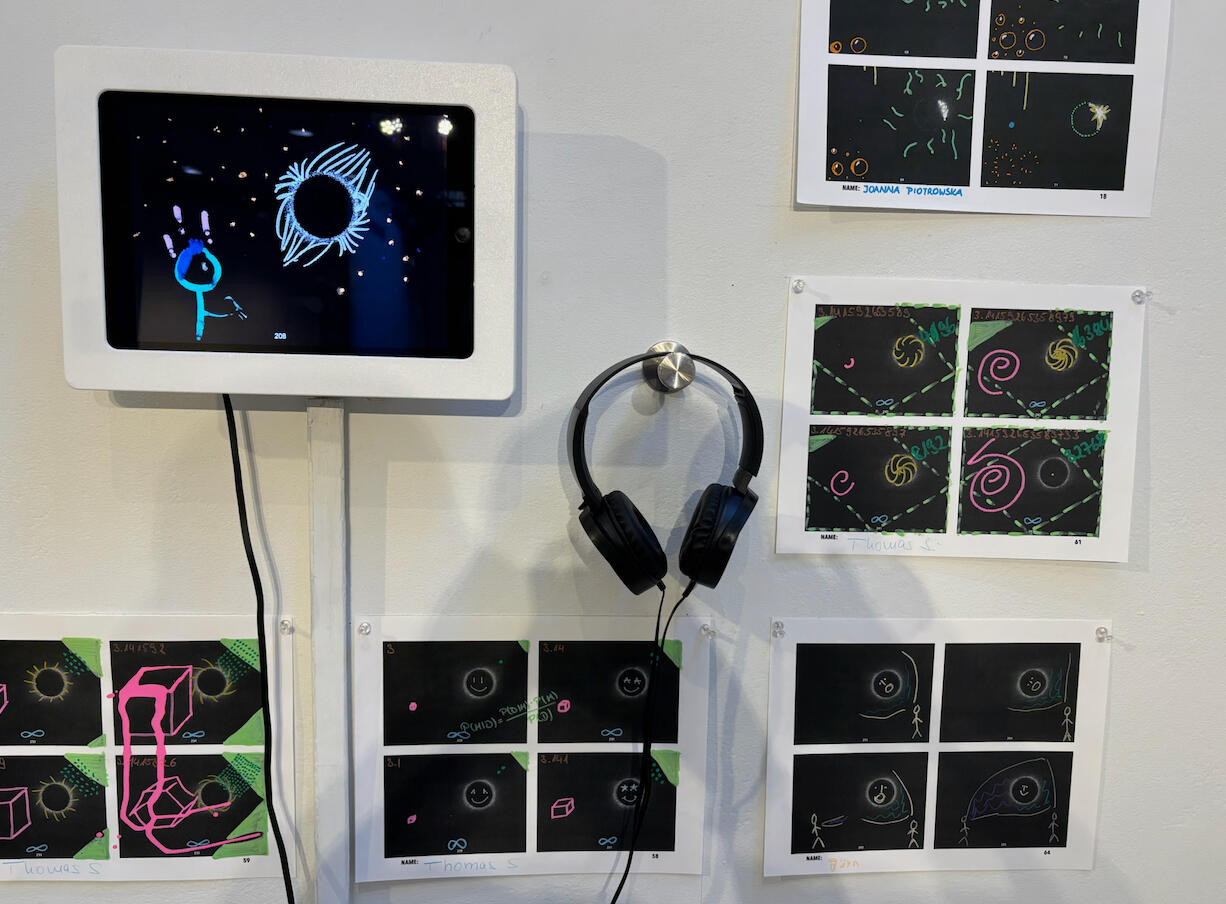
Astro-animation workshops were developed and delivered across a range of settings, including schools, libraries, festivals, and universities. Using drawing and animation to make astronomy more accessible, these workshops invited participants to explore complex scientific ideas through creative practice.
Selected Films from the Workshops
Flying by Pluto
Held at the New York DOT Astronomy Conference in October 2023, this workshop marked an early trial of the Astro-animation approach and an opportunity to gather feedback from scientists, science educators, and astronomy enthusiasts. At this stage, the Astro-animation Toolkit had not yet been defined as a formal framework. Feedback from the session highlighted the importance of balancing openness with guidance, clarifying instruction, making the animation process more transparent, and strengthening participants’ creative confidence. These insights informed the later development of the toolkit through subsequent expert workshops.
Strange News from Pluto
Strange News from Pluto emerged from a series of workshops inspired by Pluto, held in Baltimore, USA, and Liverpool, UK, using imagery from NASA’s New Horizons spacecraft. Participants included members of the Baltimore Pratt Library, Balticon 58, and art students from TransArt and LJMU. Feedback from TransArt and LJMU participants helped refine the workshop for broader public groups.
Music: Kelly Watch the Stars by Air, from Moon Safari (1998).
The Eclipse
The Eclipse was created in collaboration with astronomers at the 2024 HEAD Meeting of the American Astronomical Society in Horseshoe Bay, Texas, shortly before the eclipse. Feedback from participating scientists helped clarify specialist responses to the Astro-animation process and informed later workshops with non-specialist participants.
Music: The Chromatics– NASA GSFC.
Sunspot
Sunspot was produced through two Astro-animation workshops held at the Baltimore School for the Arts and the University of Padova in Italy. Created with undergraduate students, the film explores sunspots and solar activity through collaborative animation-making.
Music: Flight of the Bumblebee Composed by Nikolai
Rimsky-Korsakov, Arranged for strings by Gregor Quendel.
TOOLKIT
Astro-animation Toolkit
The Astro-animation Toolkit is a practical guide for educators, artists, and science communicators interested in exploring astronomy through animation-making.
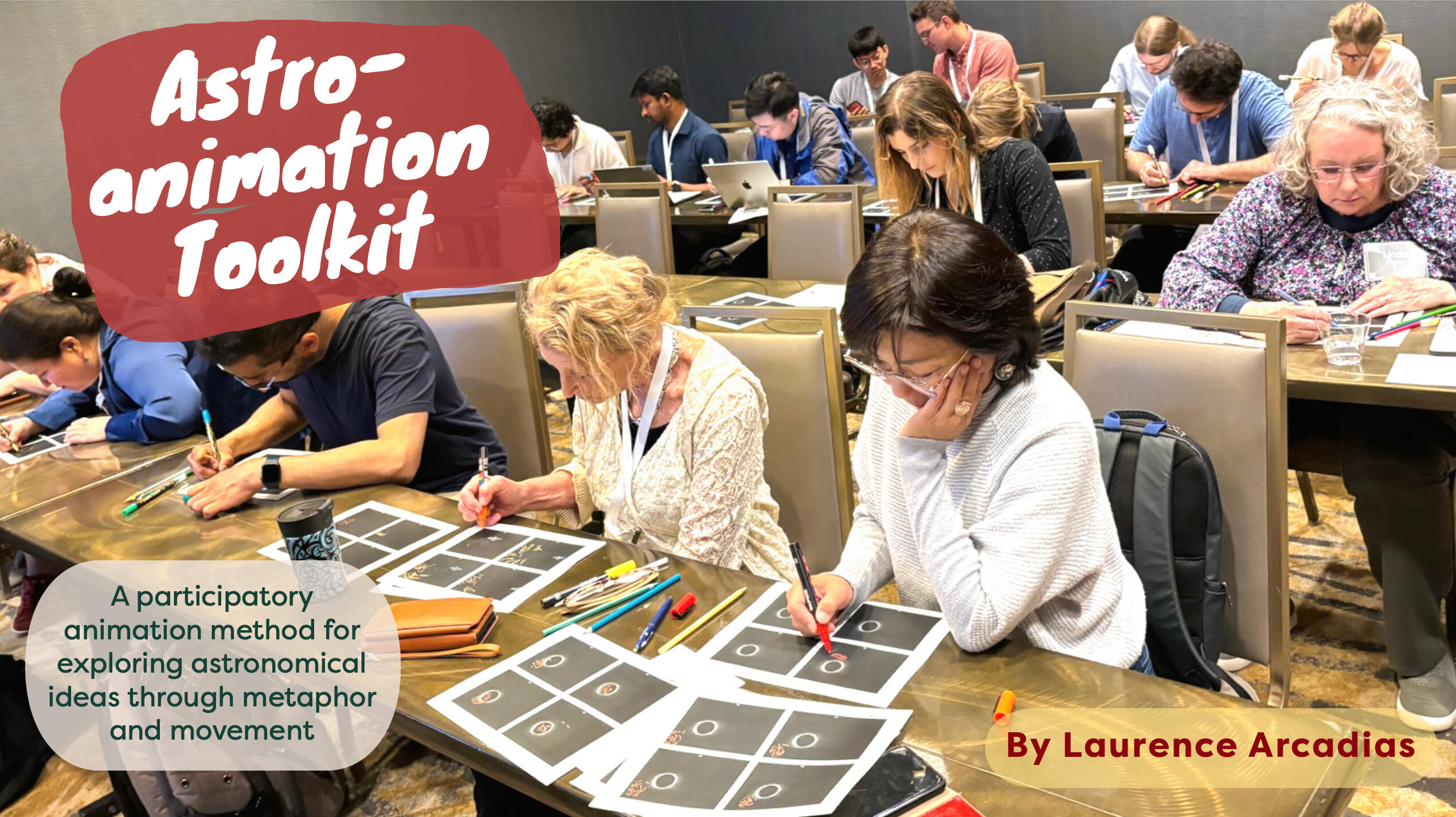
Click the cover image above to open the full toolkit (PDF in a new tab).
The toolkit PDF contains the complete workshop guide.
The materials below provide optional examples illustrating how the toolkit can be implemented in practice.
Example Materials from the Jupiter Workshop
All links below open in a new tab.
Short film used as the starting point for the workshop example.
Frame sequence derived from the film and used by participants for drawing and animation.
Jupiter Lightning Talk + Animation Slides
Sample facilitator slides introducing the astronomical concept and basic animation principles.
RESEARCH
Research
This practice-based PhD investigates Astro-animation as a form of astronomy communication and as a mode of creative inquiry. The research unfolds across three interconnected strands: gesture-informed filmmaking, toolkit development, and participatory workshops in public settings.
Strand 1 — Gesture-Informed Filmmaking
Strand 1 examines how scientists’ gestures, metaphors, and spoken explanations can be translated into animation. Interview recordings were analysed not only for what was said, but for how ideas were physically expressed through the hands and body. These gestures informed the development of visual motifs, timing, movement, and metaphor in the film.
Interviews with NASA scientists formed a central part of the research process. Recordings were analysed for spoken explanations, hand gestures, and bodily movements used to communicate complex astronomical ideas. Treated as embodied forms of thought, these gestures informed the visual language, timing, and metaphorical development of The Movements of the Universe.
Strand 2 — Toolkit Development with Scientists and Artists
Strand 2 develops the Astro-animation Toolkit by translating the methods explored in Strand 1 into participatory workshop activities. Workshops with scientists and artists were used to test and refine the toolkit before its use in wider community contexts.
Strand 3 — Astro-animation Workshops in Public Spaces
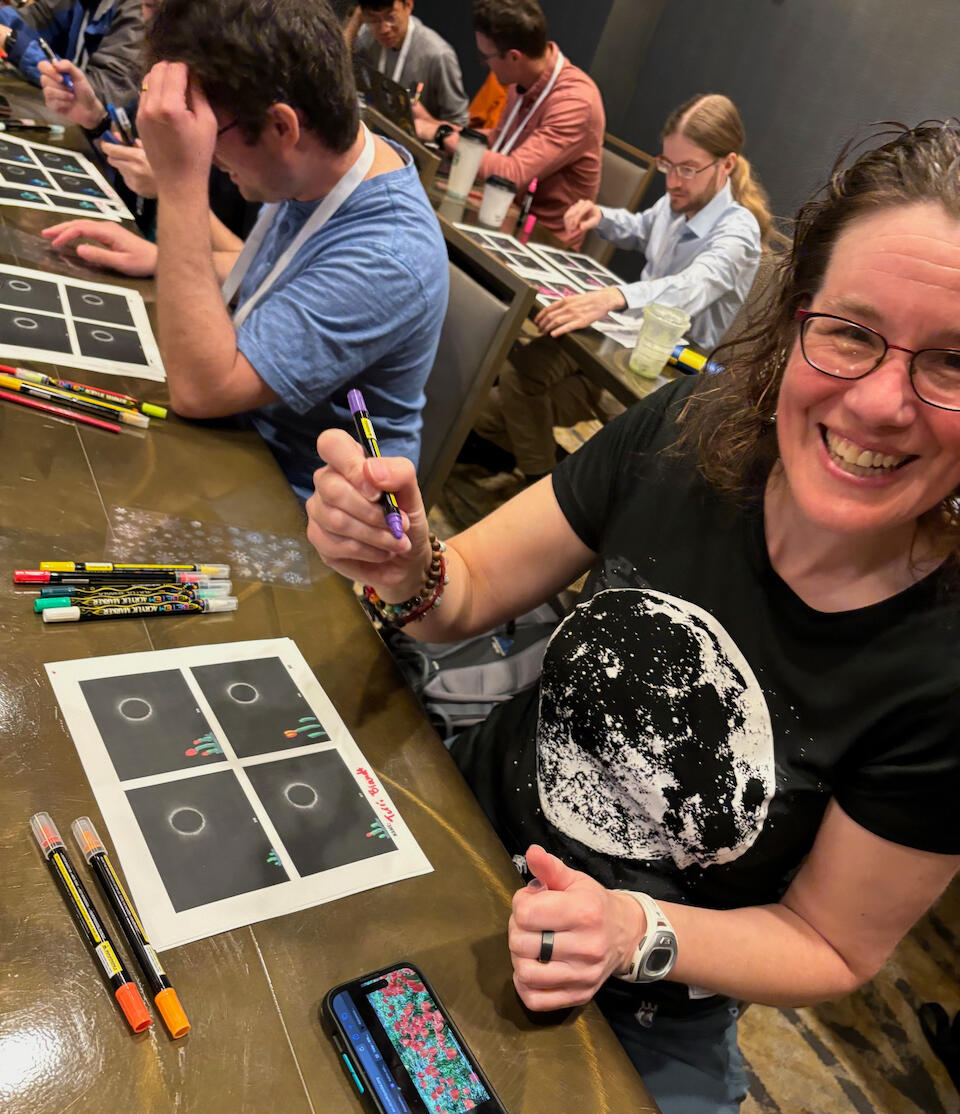
Strand 3 applies the Astro-animation Toolkit in schools, libraries, festivals, and university contexts. It examines how non-specialist participants engage with astronomy through collaborative animation-making, focusing on accessibility, creativity, curiosity, public engagement, and intellectual and emotional response.
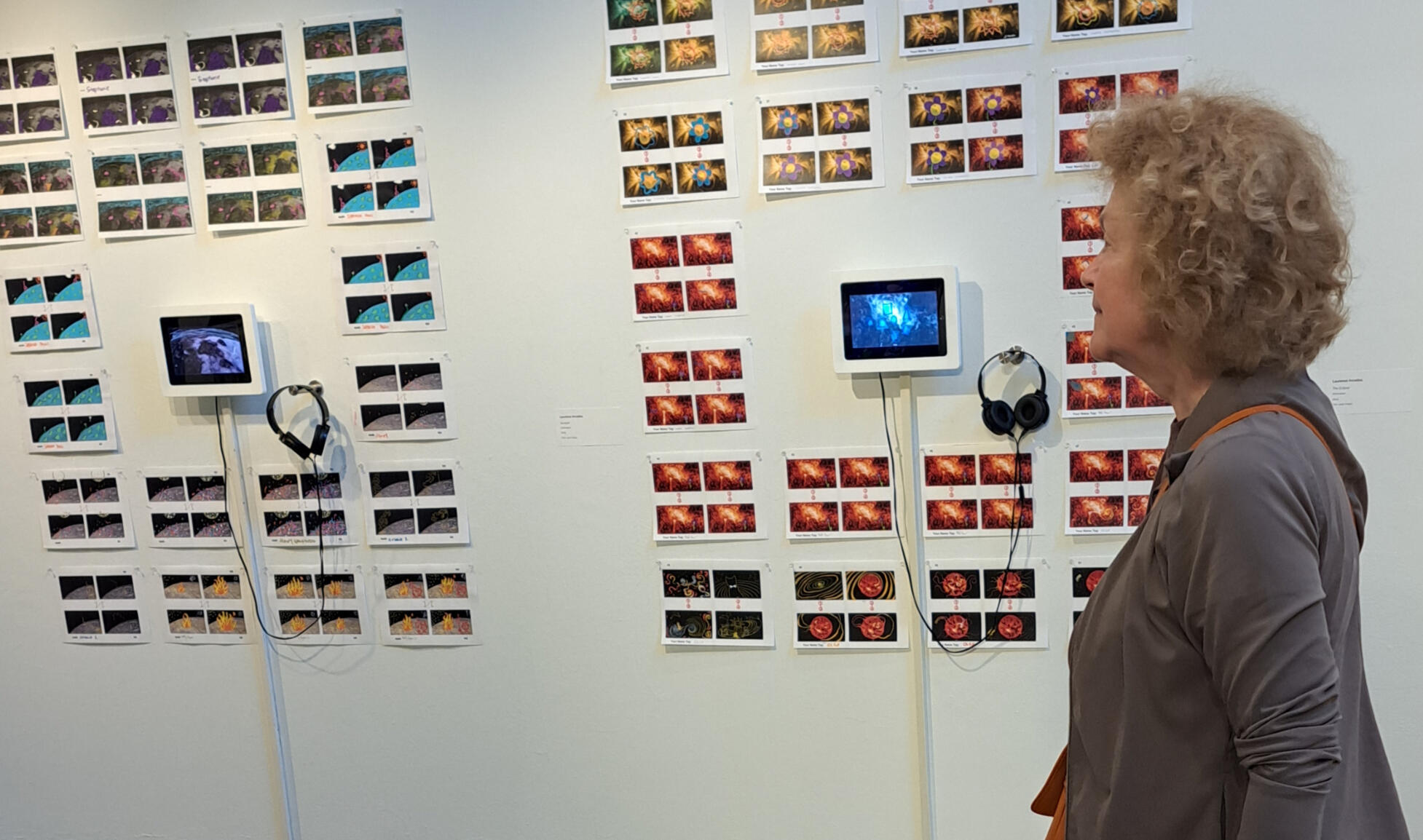
Examples of Astro-animation workshops with students, families, and festival participants.
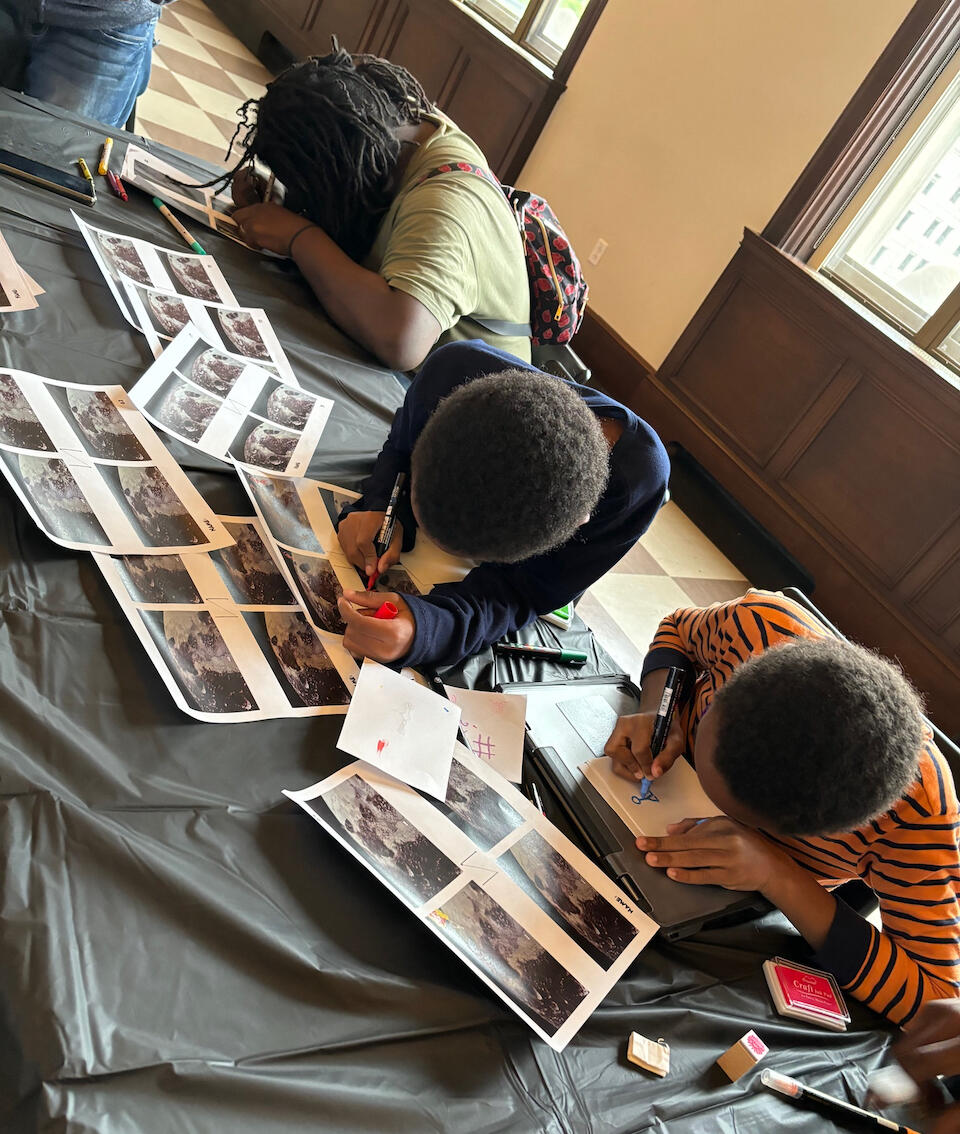
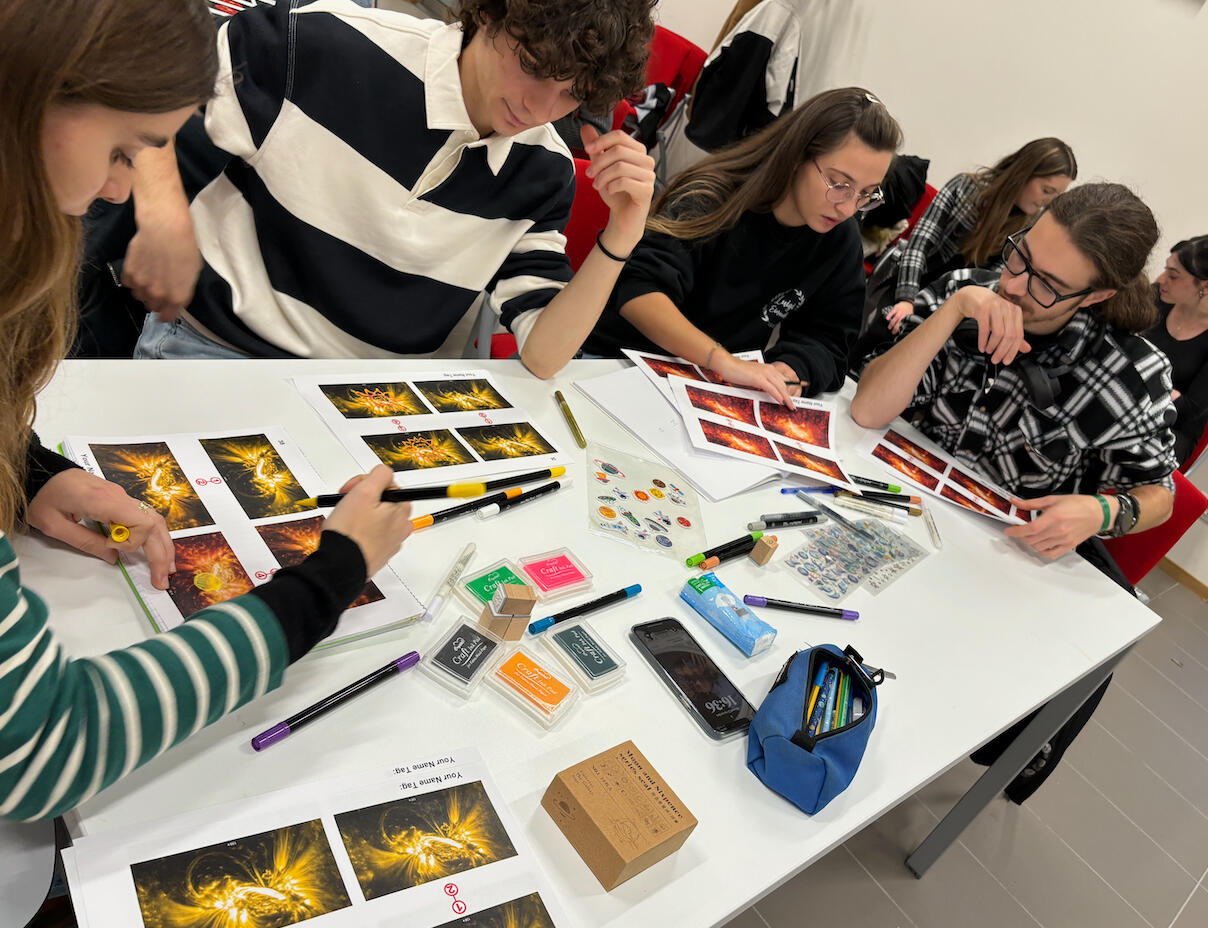
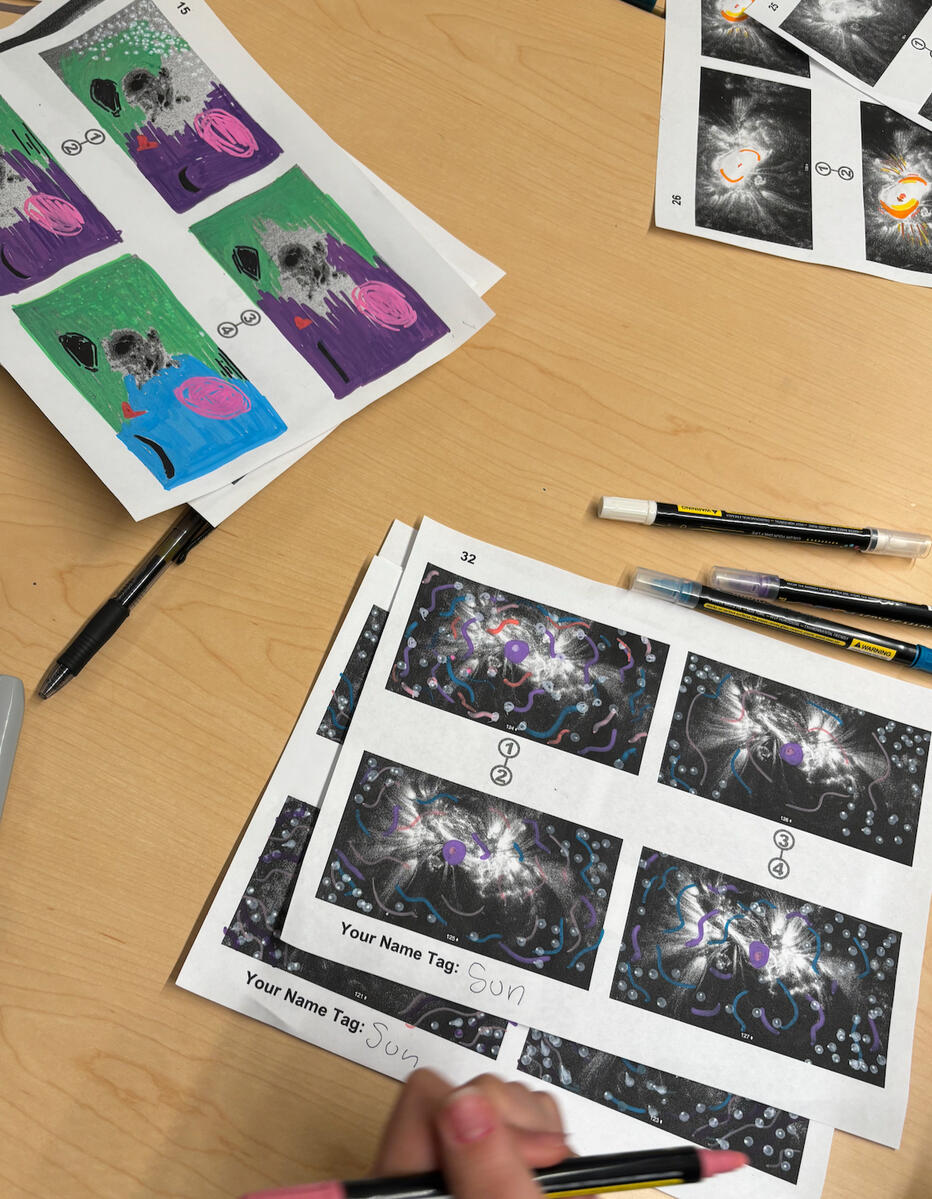
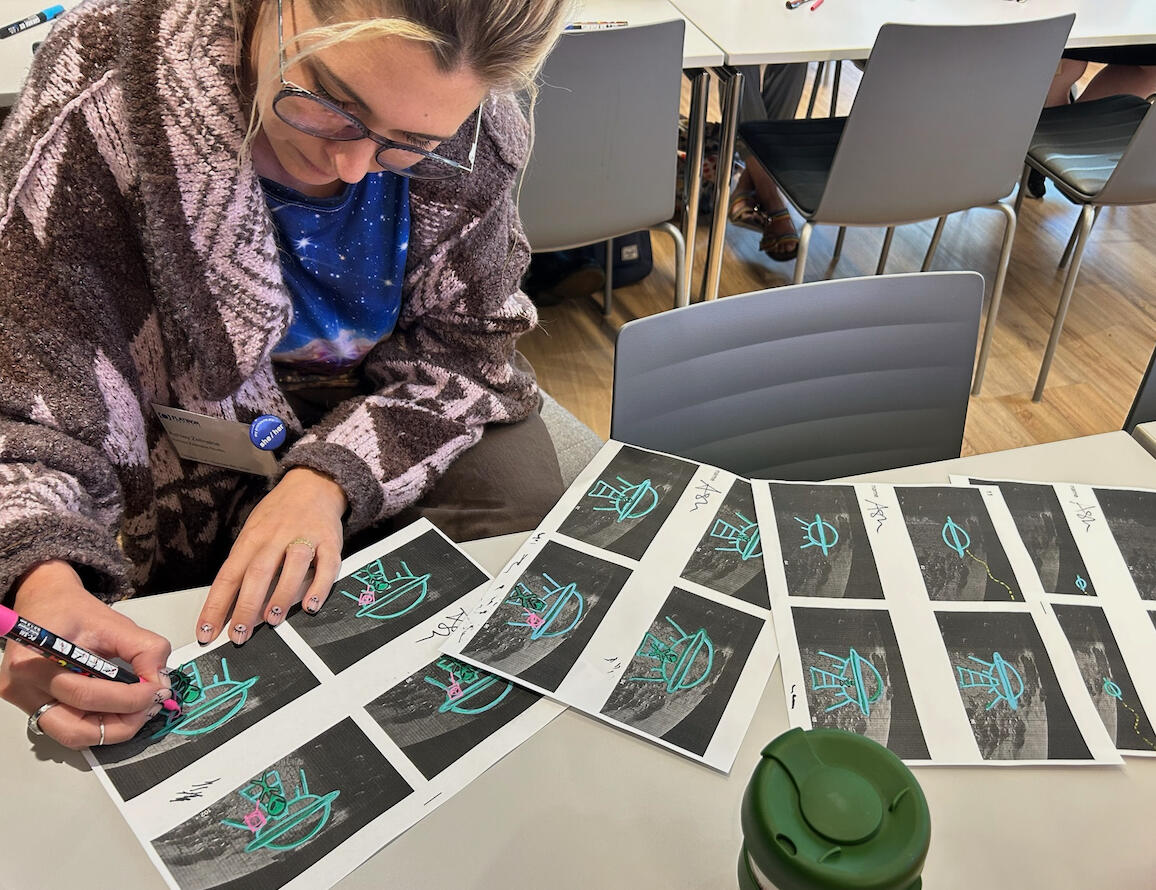
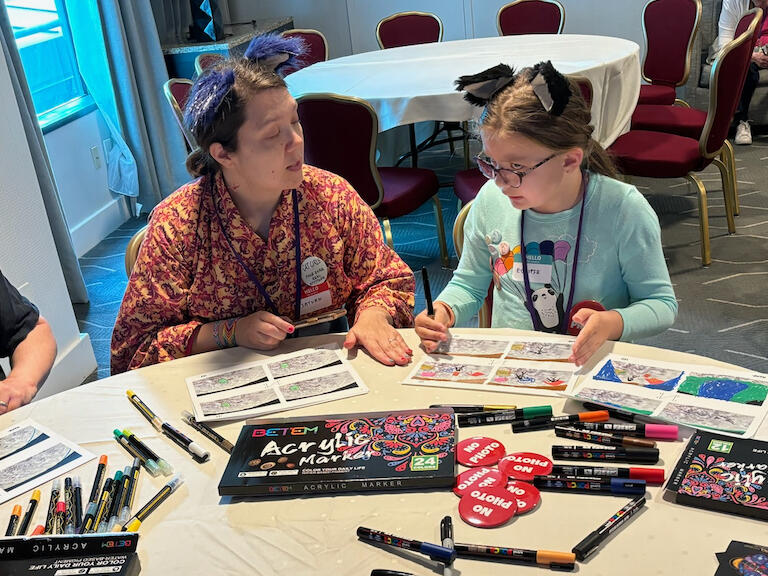
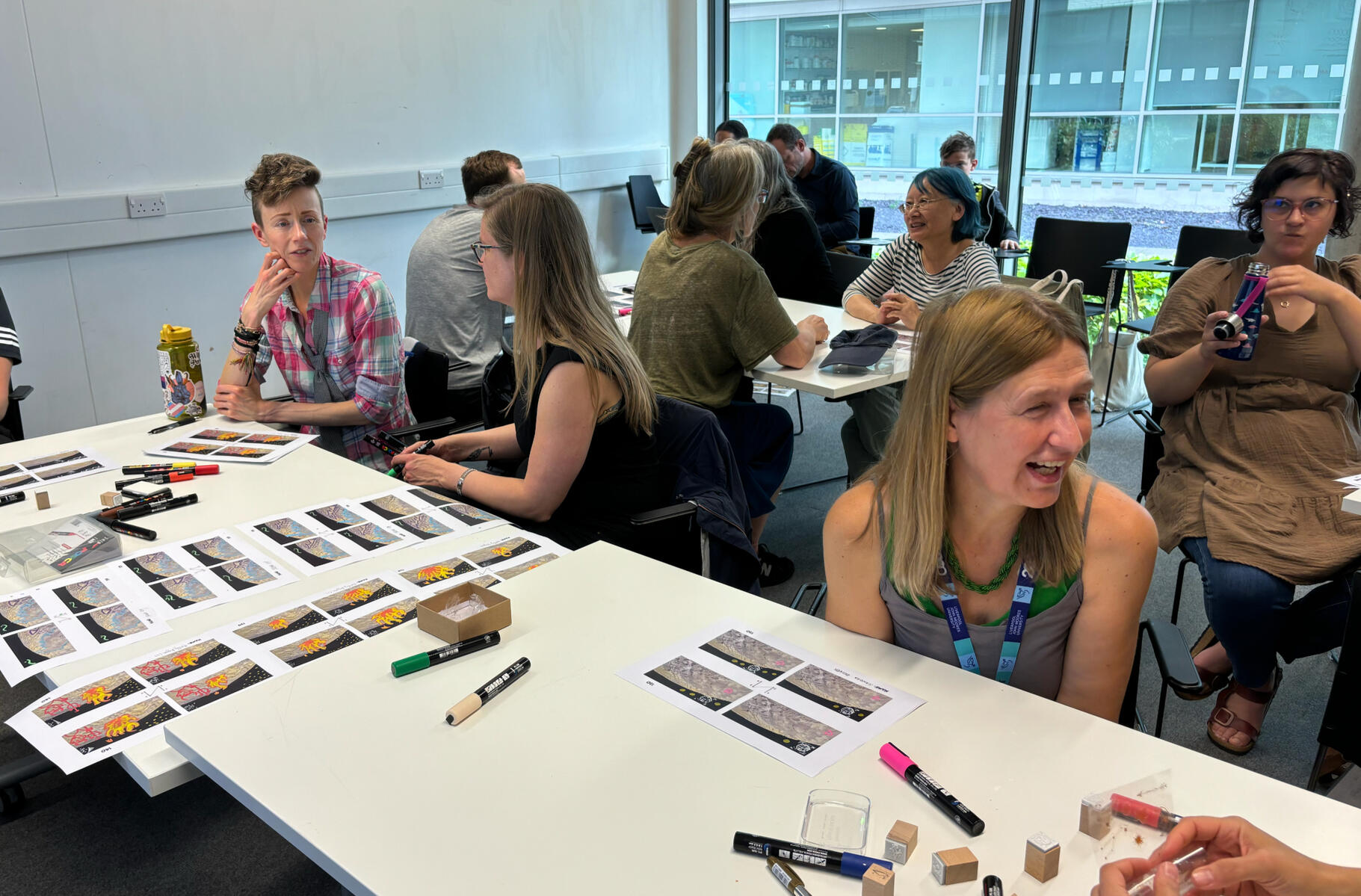
These strands position Astro-animation as an embodied and public-facing approach to astronomy communication.
Festivals and Awards
The Movements of the UniverseThe Outer Rim International Science Fiction Film Festival. 19 Aug. Winner: Best Microdoc film
San Francisco SCIENCE FICTION Short Film & TV Awards 13 September 2026. Best Science Fact Film
SCINEMA Science Film Festival, Australia. 15 to 23 August 2026. Finalist
American Documentary and Animation Film Festival, USA, 25 March 2026
Maryland International Film Festival, USA, 26 March 2026The EclipseAnnecy festival, Annecy, France-June 2025
Maryland International Film Festival, March 26, 2026
International Animation Festival “Soleil”- Bulgaria- June 5, 2025
Sweaty Eyeballs Animation Festival -Baltimore- October 18, 2024
Sacramento Independent Film Festival - March 25, 2026
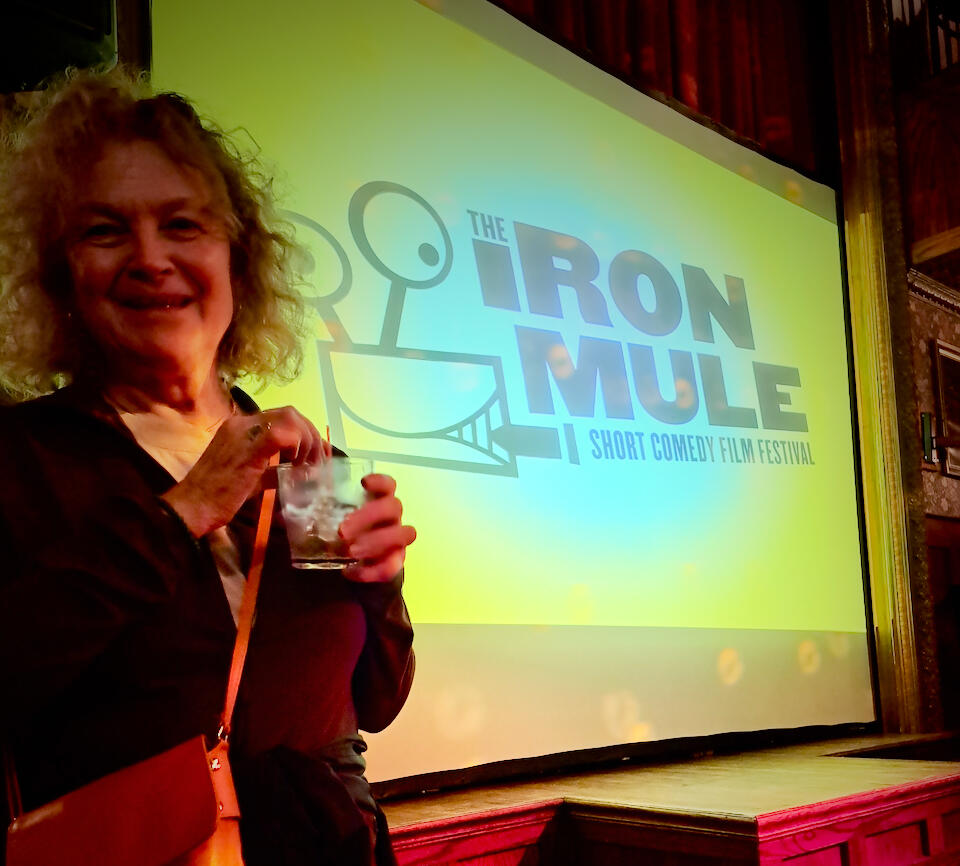
The Iron Mule Short Comedy Film Festival — New York, Ny- February 3, 2025- Audience Award
Boston SciFi Film Festival - February 12, 2025
Mecal Barcelona International Short and Animation Film Festival- Barcelona, Spain-
Festival International du Court-métrage Scientifique de Riom - France- November 21, 2025
French Duck Film Festival, Edition 2025, Finalist
Aguilar Film Festival- Palencia, Spain- December 2025
San Francisco SCIENCE FICTION SHORT FILM & TV, September 15, 2025- Best Science Fact Film
EXHIBITION
Exhibition
Presented as part of the 2025 Sabbatical Exhibition at MICA, this installation brought together film, workshop documentation, and supporting materials from the Astro-animation project. It offered a gallery-based view of the research process, tracing how scientific ideas moved across gesture, drawing, animation, and public engagement.
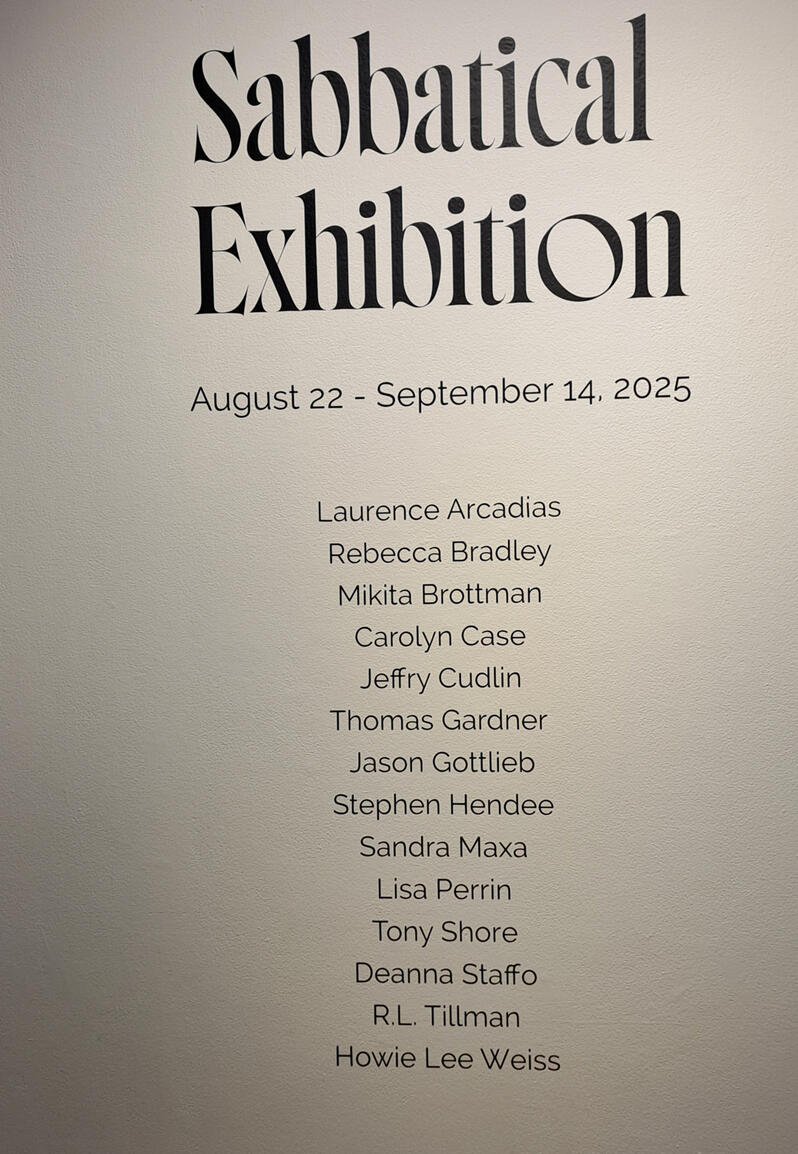
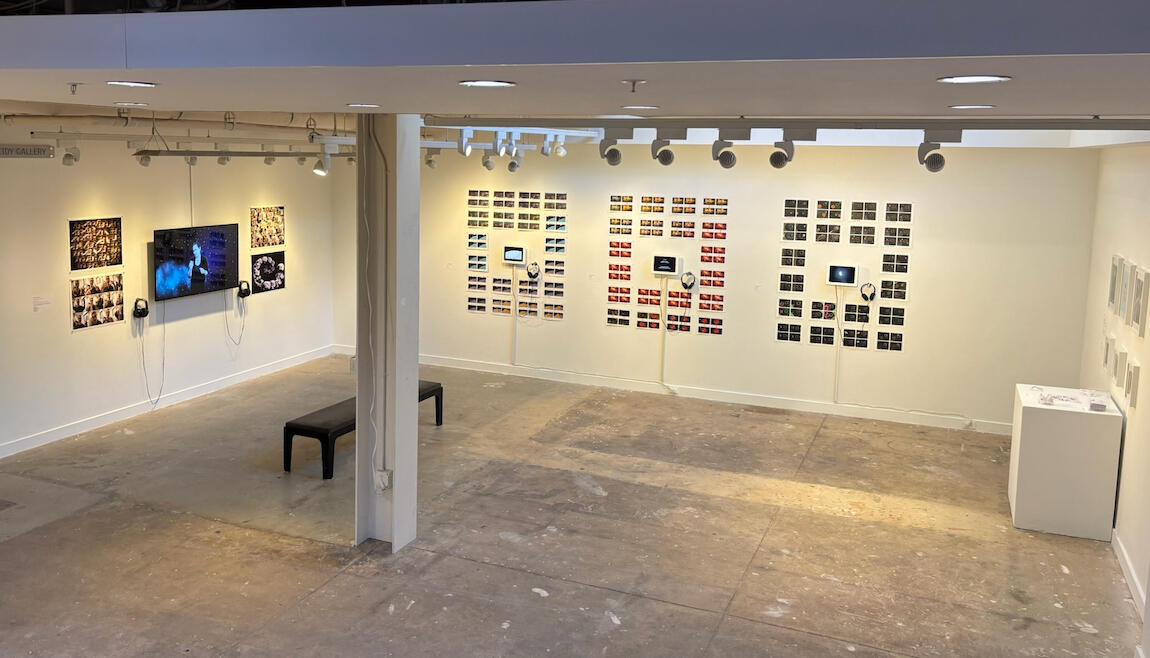
Sabbatical Exhibition
Maryland Institute College of Art (MICA)
August 22 – September 14, 2025
ABOUT
The Researcher
Laurence Arcadias is a French-American animator, professor, and former chair of the Animation Department at the Maryland Institute College of Art (MICA) in Baltimore. Her award-winning films have screened internationally, including Tempête dans une chambre à coucher, shortlisted for a César Award. She has also worked as an Animator in Residence at Apple’s Advanced Technology Group and co-founded the Paris-based production company Amorce Films.At MICA, she co-leads the Astro-Animation class with astronomer Robin Corbet, where students collaborate with NASA scientists to create animations based on current astrophysics research. This unique approach combines art and science to make complex astronomical ideas more accessible and engaging.Arcadias holds a PhD from Liverpool John Moores University, completed through the Transart Institute. Her doctoral research examined animation as a bridge between scientific knowledge, artistic expression, and public engagement with astronomy.
Text